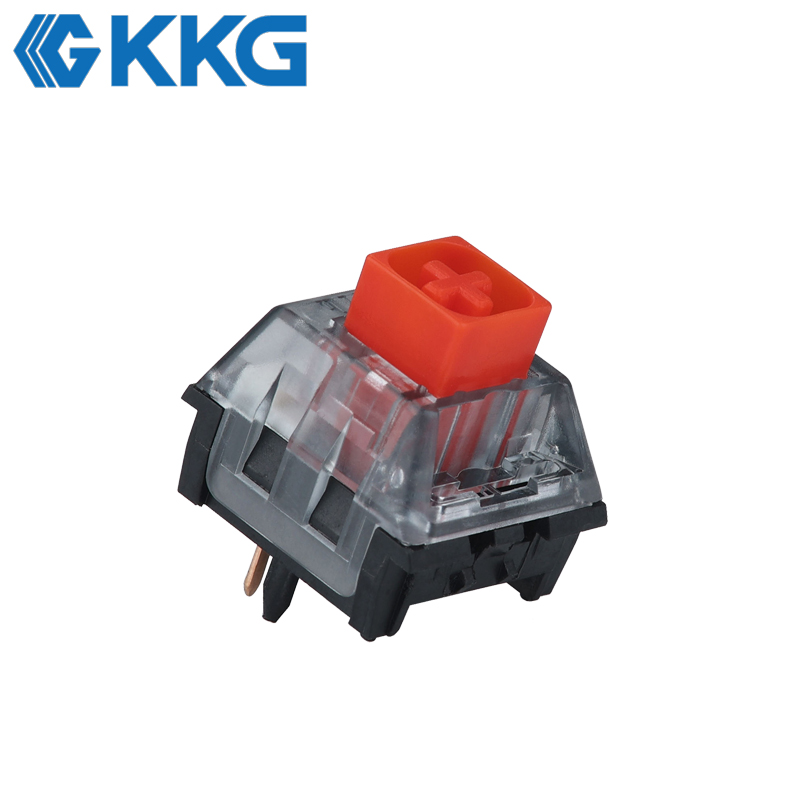
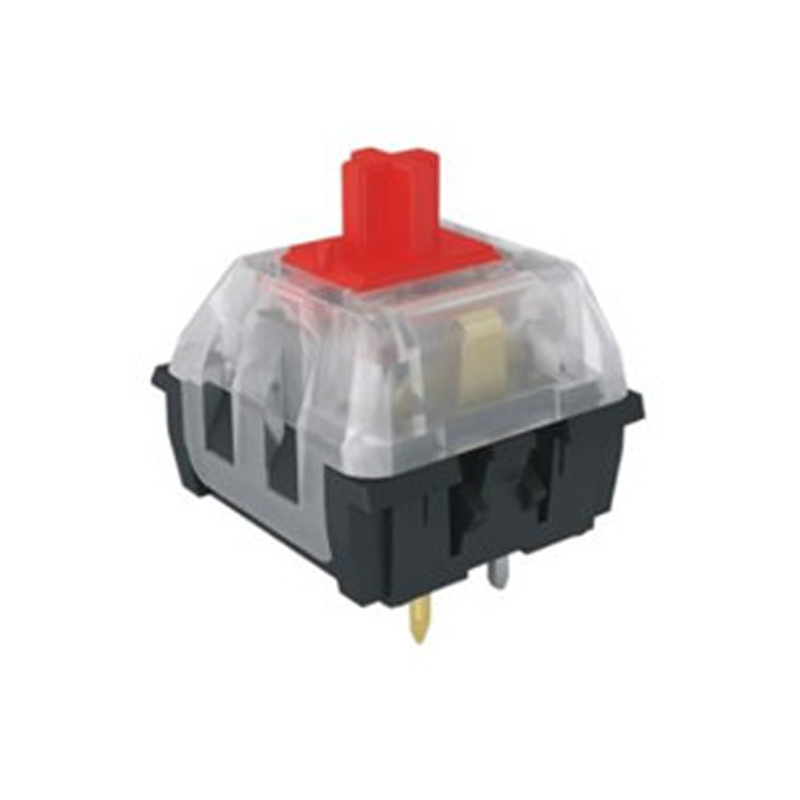
A push button switch is a type of electrical switch that operates by the user pressing a button to close an electrical circuit, which then sends a signal to the connected device to activate it. This simple yet essential component is found in a wide range of applications, from household appliances to industrial machinery, and even in modern vehicles and computers. In this guide, we will delve into the working principles, types, and applications of push button switches, providing a comprehensive understanding of this fundamental component.
Our push button switch is a widely used electronic control component designed for reliable, intuitive, and safe operation. With a simple press–release mechanism, this button switch enables users to make or break circuits, controlling the on/off functions of electrical devices with precision.
Push button switches are indispensable in both daily appliances and industrial control systems. Whether used as a push button starter switch in machinery, a push to exit button in access control systems, or an e stop push button for emergency shutdown, these switches offer consistent performance and long-lasting durability. Built with high-quality materials and strict manufacturing processes, our push button switches ensure operational safety in all environments.
The push button switch operates through a straightforward mechanical action. When the button is pressed, its internal contacts close, allowing the electric current to pass through. Releasing the button separates the contacts and opens the circuit, stopping the current flow.
Depending on use requirements, the switch may function as:
Normally Open (NO) Switch: In this type, the contacts are open when not pressed and close when the button is activated, connecting the circuit.
Normally Closed (NC) Switch: Conversely, in this type, the contacts are closed when not pressed and open when the button is activated, disconnecting the circuit.
Center Off (CO) Switch: This type has two sets of contacts: one set is normally open, and the other is normally closed. When the button is not pressed, neither set is active. Pressing the button activates one set of contacts while deactivating the other.
Push button switches are an integral part of our daily lives and industrial operations due to their versatility, simplicity, and reliability. Understanding their working principles, types, and applications helps in selecting the right switch for a specific task or application. As technology advances, new types of push button switches with enhanced features and capabilities are being developed to meet the evolving needs of various industries and applications. However, at their core, they remain a simple yet effective solution for controlling electrical devices through manual activation.
Momentary switches: Active only when pressed, ideal for signaling, resets, or alerts.
Push button toggle switch: Allows stay-on/stay-off configuration for continuous electrical control.
Limiter switches: Integrated stop limit for safety-critical systems.
Tact switches: Compact, lightweight options often used in consumer electronics.
Keypad switches: Multi-button arrays suitable for data input or security devices.
Constructed from wear-resistant plastic and metal materials
Designed to withstand thousands of pressing cycles
Stable mechanical performance ensures long-term reliability
Tactile button feedback
Easy pressing force for enhanced user experience
Suitable for rapid activation or emergency stop conditions
Options available for low-voltage electronics, home appliances, and industrial power control
Clearly marked buttons
Special models like the e stop push button include safety lock mechanisms and high-visibility colors
Suitable for electronics, household, commercial, automotive, industrial automation, and access control systems.
Standardized terminal designs make the switch easy to mount, replace, or integrate into new projects.
Available with various shapes, colors, illumination options, and contact configurations.
Every push button switch is tested to ensure stable electrical conductivity and consistent operation.
Simple structure but powerful functionality—ideal for mass production and long-term use.
Push button switches are ubiquitous in various applications due to their simplicity, reliability, and cost-effectiveness:
Household Appliances: From light switches to coffee makers, push button switches control many household appliances.
Industrial Machinery: In factories and workshops, they are used to start and stop machines, control speed, and monitor operations.
Automotive Industry: In cars and trucks, they control essential functions like ignition, headlights, and interior lighting.
Computers and Electronics: Push buttons are used for power on/off, reset functions, and other controls in computers and electronic devices.
Security Systems: They are used for alarm activation, door entry controls, and other security-related functions in CCTV systems and access control panels.
Medical Equipment: In hospitals and clinics, they are employed for controlling medical devices like ventilators and dialysis machines.
Q: What is a Push Button Switch?
A: A push button switch is an electrical component that completes or breaks a circuit by pressing a plunger or button. It's commonly used for user input in devices.
Q: What are the main types?
A: The two primary types are momentary (circuit is active only while pressed) and latching (circuit state toggles with each press, like an on/off switch).
Q: Where are they typically used?
A: They are ubiquitous in consumer electronics, industrial control panels, medical equipment, and automotive applications for start/stop functions.
Q: What does Normally Open (NO) mean?
A: A Normally Open (NO) switch has contacts that are not touching, so the circuit is open until the button is pressed to close it.
Q: How are they mounted?
A: Most are designed for panel mounting, where the switch body is inserted through a hole and secured with a nut.
Q: What are common termination styles?
A: Terminations include solder lugs, screw terminals, and quick-connect tabs for easy wiring.
Tel:
Add:
Rixing Industrial Zone,Tangxia Town, Dongguan City, Guangdong Province, China


Copyright © 2026 KKG ELECTRONICS ELECTRIC C0., LTD. All rights reserved
Privacy policy Cookie tracking