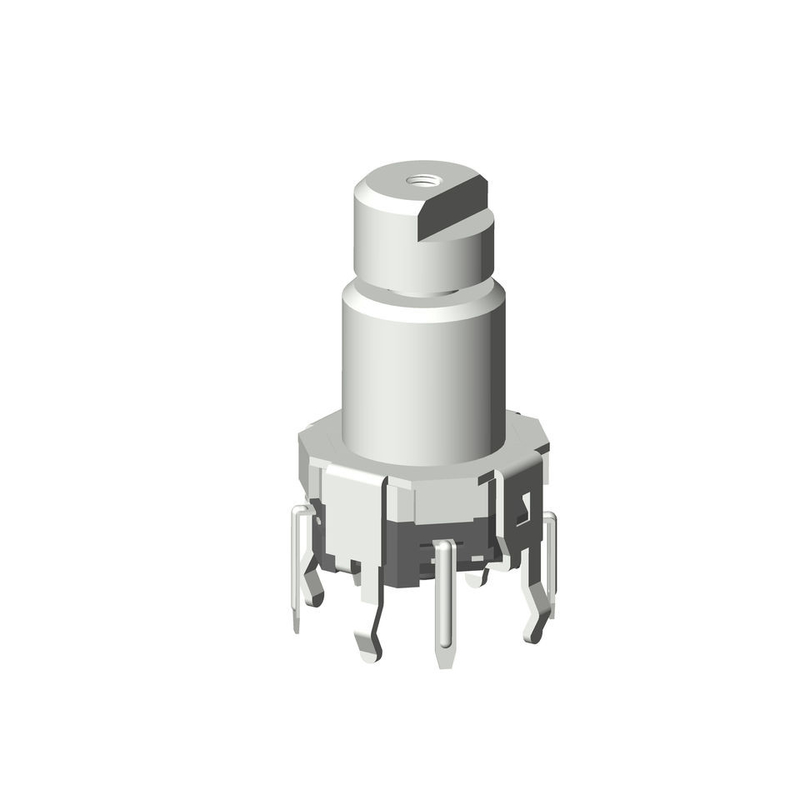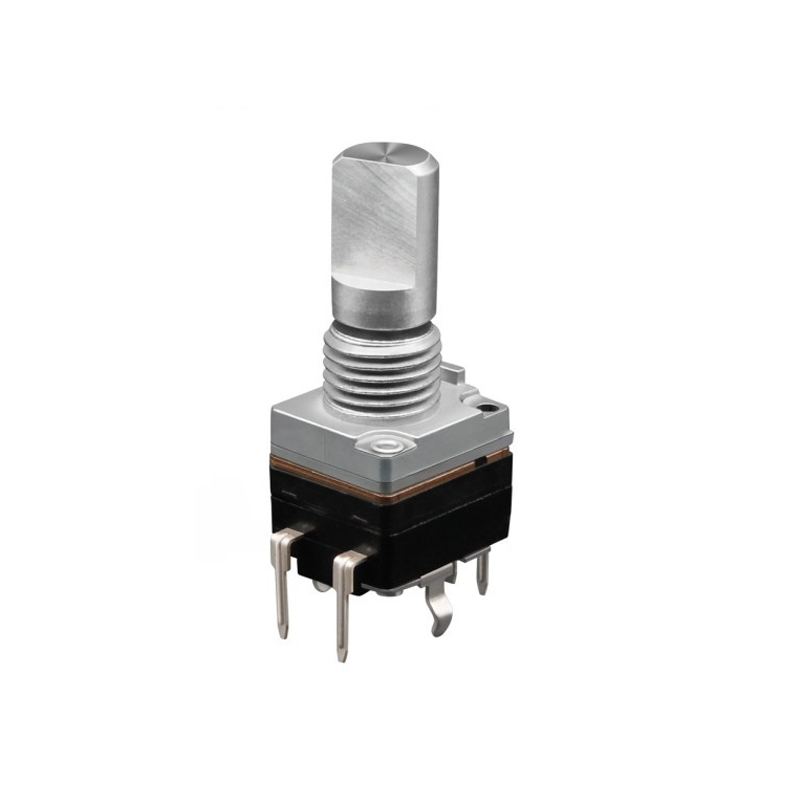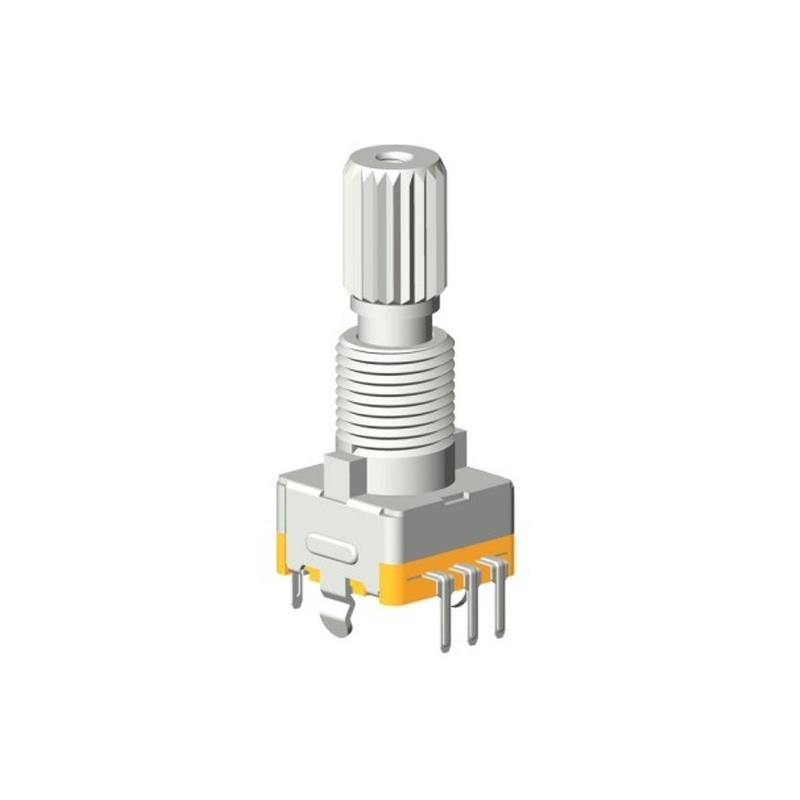
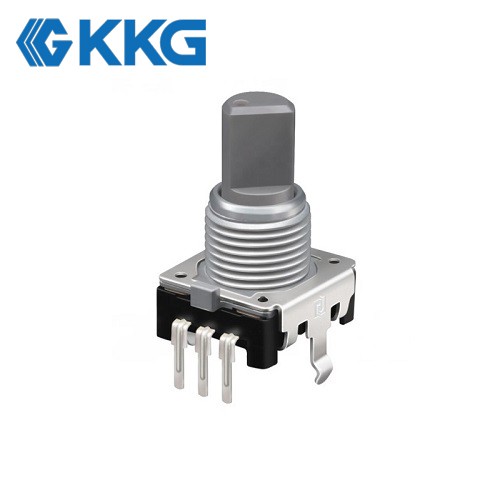
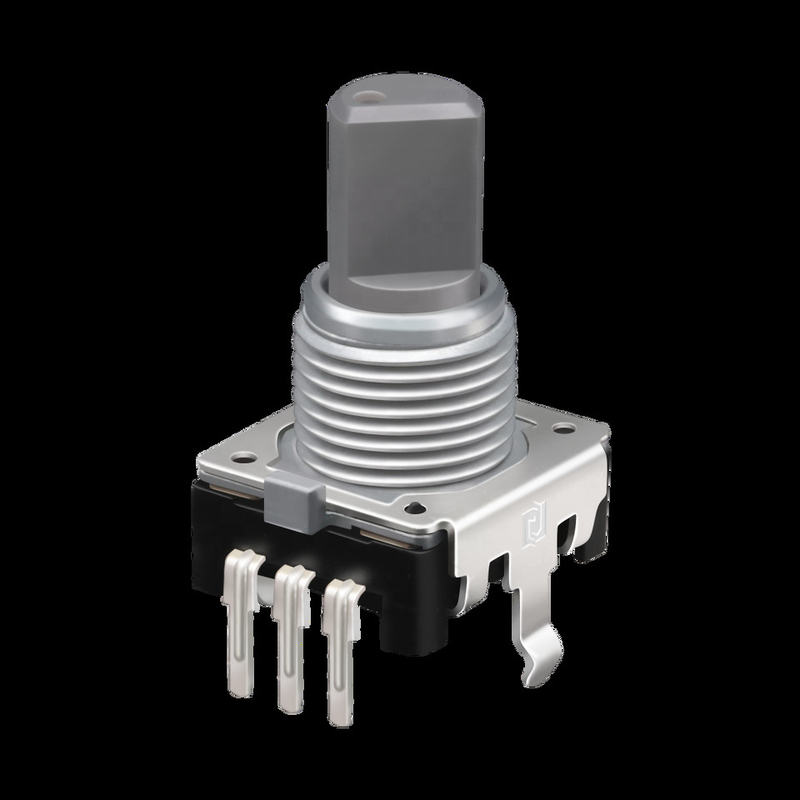
A smooth rotary encoder with a push button switch is a versatile electronic component that integrates two core functions: precise rotary encoding and convenient push-button control. Designed for intuitive operation and space-saving integration, it has become a staple in various electronic devices across industries.
Place of Origin: Dongguan China
Brand Name: KKG
Certification: CE / SGS / ISO9001
Model Number: RS11 Series
Minimum Order Quantity: 500pcs
A smooth rotary encoder with a Push Button Switch is a versatile electronic component that integrates two core functions: precise rotary encoding and convenient push-button control. Designed for intuitive operation and space-saving integration, it has become a staple in various electronic devices across industries.
Leveraging optical, magnetic, or mechanical sensing principles, the encoder converts rotational motion (angle or position) into electrical pulse signals. These signals can be accurately read by microcontrollers, PLCs, or other control units, enabling precise adjustment and measurement of rotational displacement. A key advantage is its "smooth" operation—users experience consistent, friction-free rotation without jitter, ensuring precise control even in applications requiring fine adjustments. Typical use cases include parameter calibration, position control, and incremental adjustment (e.g., tuning output levels or setting numerical values).
The encoder’s knob doubles as a push button: pressing the knob triggers an internal switch, realizing on/off control, confirmation, or mode switching. This integrated design eliminates the need for a separate button, saving PCB space and simplifying device layouts. The push button function is engineered for reliability, with a clear tactile feedback (e.g., a crisp "click") to confirm activation, enhancing user experience in interactive scenarios.
| Operating Temperature | -20℃~+70℃ |
| Shaft Rotation Force | 20gf.cm~200gf.cm |
| Total Rotation Angle | 360º |
| Power Rating | DC5V |
| Insulation Resistance | More than 100MΩ |
| Contact Resistance | 1Ω Max |
| Withstand Voltage | 250V AC/ 1min |
| Rotational Life | 500,000 cycles |
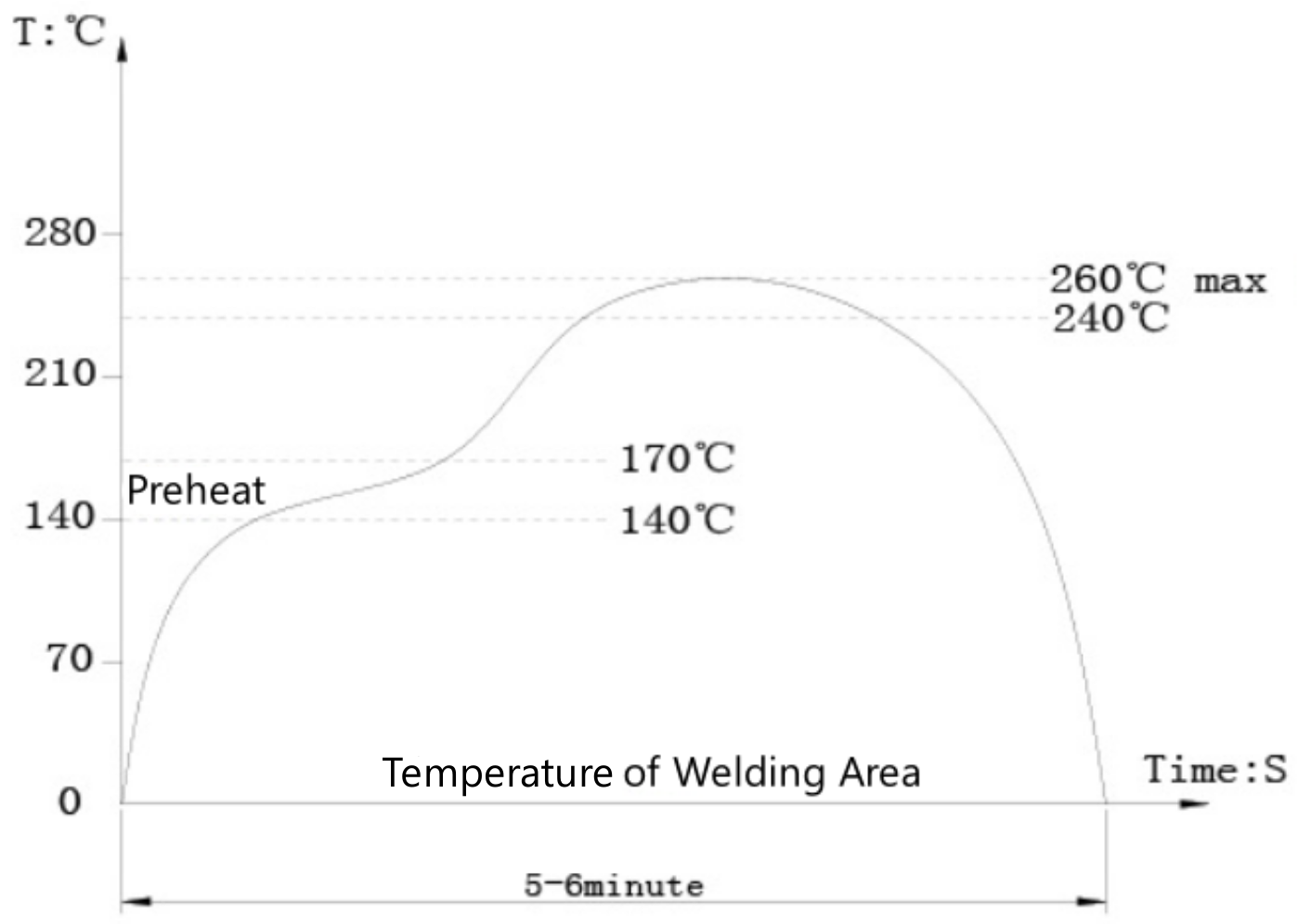
KKG Electronics, each part of the use of temperature-resistant materials, high-temperature testing equipment 260 ℃ for 5 minutes, the appearance of the product does not change!
Widely used in audio equipment (speakers, amplifiers), televisions, radios, and home theater systems—rotating the encoder adjusts volume, channel, or playback speed, while pressing it mutes audio, confirms menu selections, or switches modes. It also appears in smart home devices such as dimmable lights, smart curtain controllers, and thermostats: rotating adjusts brightness, curtain opening/closing degree, or temperature settings, and pressing activates power or switches operating modes.
In CNC machine tools, automated production lines, and industrial controllers, the encoder is used for precise parameter setting (e.g., feed rate, spindle speed) and axis position control. The push button function serves as a start/stop trigger, emergency reset, or mode切换 (e.g., switching between manual and automatic operation). Its robust structure and smooth operation make it suitable for harsh industrial environments, where precise control and durability are critical.
In medical equipment (e.g., patient monitors, diagnostic tools), the encoder enables precise adjustment of display brightness, measurement parameters, or drug delivery rates, with the push button confirming settings or initiating procedures. In communication devices (e.g., two-way radios, network routers), it is used for channel selection, volume adjustment, or menu navigation, while the push button functions as a transmit key or confirmation trigger.
In automotive electronics (e.g., infotainment systems, climate controls), the encoder adjusts music volume, air conditioning temperature, or navigation settings, with the push button activating functions like voice control or screen lock. For IoT devices and wearable tech (e.g., smart watches, remote controllers), its compact size and dual functionality make it ideal for space-constrained designs, supporting intuitive operation for end-users.
The "smooth" feature refers to its friction-free, consistent rotational operation. Unlike basic encoders with rough or jittery rotation, this model uses precision-engineered internal structures (e.g., high-quality bearings, optimized gear mechanisms, or non-contact sensing) to eliminate resistance or uneven movement during rotation. This ensures fine, precise adjustments—critical for applications like volume tuning, parameter calibration, or position control where subtle changes are required.
These encoders are designed for long-term reliability. Typically, the rotary function supports 100,000+ rotations (some industrial-grade models up to 1,000,000+), while the push button function offers 50,000+ clicks (industrial variants up to 200,000+). The durability also depends on the application environment—industrial-grade models may include dustproof, waterproof (e.g., IP65/IP67) or vibration-resistant features, making them suitable for harsh industrial settings, while consumer-grade models are optimized for everyday use in electronics.
Most models output incremental signals (A/B phase signals), which are compatible with common microcontrollers (e.g., Arduino, Raspberry Pi), PLCs, and control systems. The A/B phase signals allow the controller to detect both rotation direction and speed. Some advanced models may also offer complementary signals (A/, B/) or index signals (Z) for precise zero-position calibration. For specific signal requirements (e.g., PWM, digital output), please check the product datasheet or consult our sales team.
Yes, its integrated design (combining rotary encoder and push button in one compact unit) saves significant PCB space compared to using separate components. Most standard models have a small form factor (e.g., 12mm/16mm diameter for the knob, 8mm/10mm height for the body), making them ideal for space-limited applications like IoT devices, wearable tech, remote controllers, and compact consumer electronics. We also offer ultra-miniature versions for specialized compact designs.
Absolutely. Industrial-grade variants of this encoder are engineered to withstand harsh conditions, including wide temperature ranges (-40°C to 85°C), high humidity, dust, and vibration. They often feature robust housings, sealed connectors, and enhanced durability (as noted in FAQ 2), making them suitable for CNC machine tools, automated production lines, industrial controllers, and other industrial automation equipment. Be sure to select the industrial-grade model with the appropriate protection rating for your specific environment.
The push button function uses a normally open (NO) or normally closed (NC) contact design (normally open is standard). When pressed, the internal switch closes (NO) or opens (NC), sending a digital signal to the controller to trigger actions like confirmation, mode switching, or start/stop. The button also provides clear tactile feedback (a crisp "click") to confirm activation, preventing accidental presses. The electrical parameters (e.g., rated voltage/current: typically 5V-24V DC, 10mA-100mA) are compatible with most electronic systems—refer to the datasheet for exact specifications.
Previous: 14mm Hollow Encoder
Next: Ec28 Hollow Encoder
Tel:
Add:
Rixing Industrial Zone,Tangxia Town, Dongguan City, Guangdong Province, China


Copyright © 2026 KKG ELECTRONICS ELECTRIC C0., LTD. All rights reserved
Privacy policy Cookie tracking