




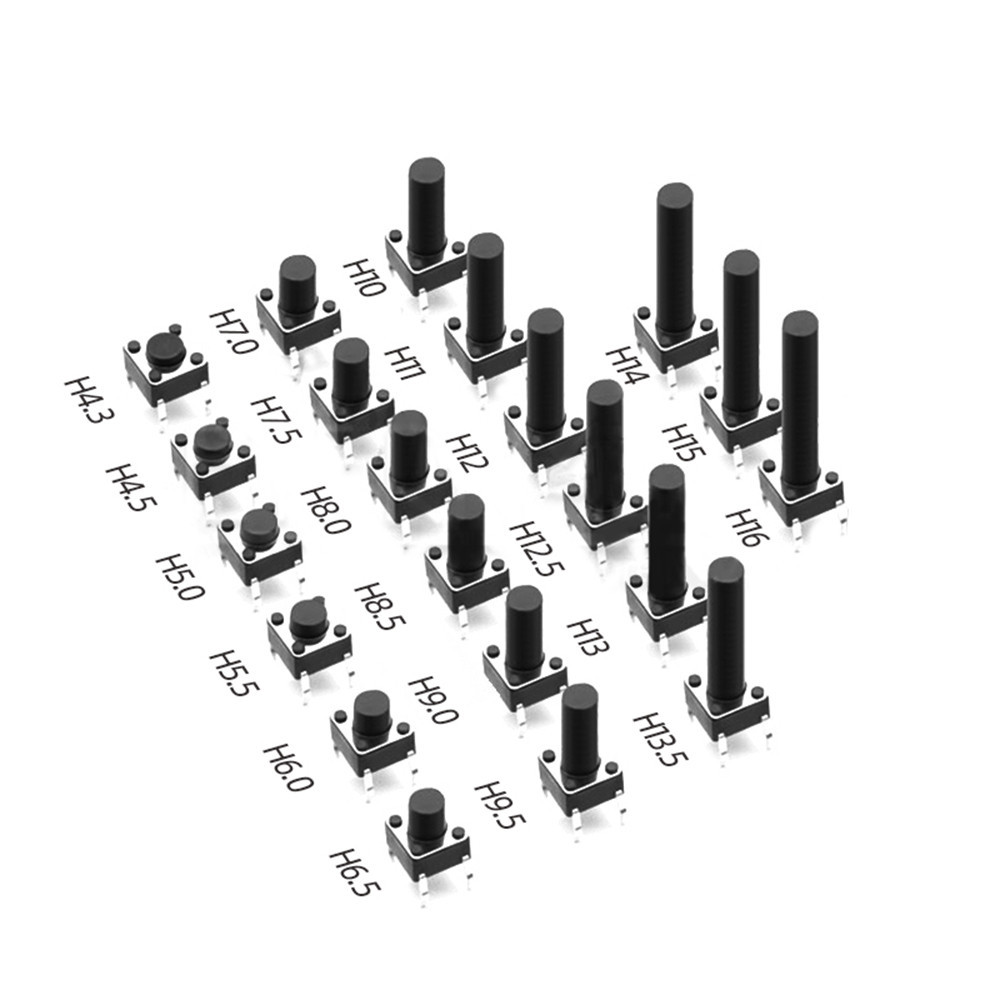
Touch switches play a central control role in automotive heated seats. Leveraging their ease of operation, precise temperature control, and durability, these tactile push button switch switches are integrated as physical buttons on the seat side or center console. Combined with intelligent temperature regulation and safety protection mechanisms, they deliver a convenient and comfortable heating experience for users.
The Feature of tact button:
1. High-performanced, compatible and reliable.
2. 100% original and up-to-date.
3. Secure and environment-friendly
4. BOM list matching service
5. Durable, steady and stable
A tactile switch primarily consists of five components: a button, cover plate, spring-loaded contact, base, and terminals. Its principle relies on the physical properties of contact (specifically the deformation of the spring-loaded contact) to control the circuit's on/off state. A tactile switch typically consists of a mechanical button and a pair of metal contacts. When the button is pressed, the metal contacts touch, closing the circuit path and allowing current to flow. Conversely, when the button is released, the metal contacts separate, breaking the circuit and preventing current flow.
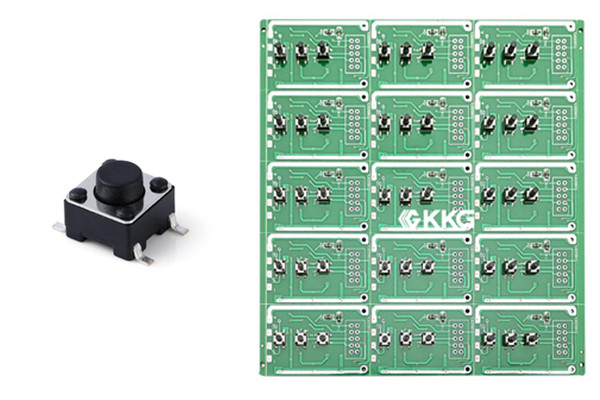
The heating function of automotive heated seat cushions relies on the activation of a touch switch. When the user lightly presses the switch, the circuit closes, allowing current to flow through the electric heating elements within the seat (such as PTC ceramic heating plates or carbon fiber heating wires), converting electrical energy into thermal energy. The touch switch regulates heating power through Pulse Width Modulation (PWM) technology, enabling multi-level control (e.g., low, medium, high). Users can cycle through settings by repeatedly tapping the button until the desired temperature is reached. For instance, the seat heating switch in the Great Wall M4 cycles through three levels with each tap, with an indicator light illuminating as the temperature adjusts and extinguishing when heating is off.
Application Advantages: Why Touch Switches Are Preferred for Automotive Heated Seats1.Operational Convenience Compact touch switches integrate seamlessly into seat sides or center consoles, allowing users to operate them effortlessly without looking down. For instance, the Golf's seat heating switch is positioned on the seat side, activated with a light touch. The system supports memory functionality, automatically restoring previous settings within 10 minutes of restarting after engine shutdown. 2.Precise Temperature Control & Multi-Level Adjustment Touch switches work in tandem with temperature sensors (e.g., NTC thermistors) to monitor seat surface temperature in real time, feeding data back to the control module for precise adjustments. Some premium models (e.g., those equipped with carbon fiber heating elements) support zone-specific temperature control, allowing users to independently adjust lumbar or cushion temperatures for enhanced comfort. 3.Durability and Reliability The touch switch employs a metal spring or conductive rubber structure, offering high sensitivity and extended lifespan while withstanding frequent operation. For instance, Kang'erle's automotive seat-specific touch switch ensures long-term performance without degradation in confined spaces through precise segment positioning and high-temperature resistance design. 4. Safety Design: How Touch Switches Ensure Safe Operation of Heated Seat Cushions Overheating Protection Mechanism When temperatures exceed thresholds (e.g., 75°C), bimetallic circuit breakers or current detection chips forcibly cut power to prevent heating element overheating and potential hazards. For instance, PTC ceramic heating elements feature self-limiting temperature characteristics: resistance automatically increases when temperatures rise to 55-65°C, enabling constant temperature control. Environmental Adaptability tactile switches must meet stringent automotive environment requirements, including dust resistance, accidental touch prevention, and high-temperature tolerance. Certain vehicle models disable heating functions when seats are damp or ambient temperatures exceed 25°C to prevent component damage or hazards. Power Disconnection Protocol When servicing or replacing heated seats, disconnect the battery's negative terminal first to prevent unintended airbag deployment or electrical shorts. For instance, Tesla Model 3 experienced heating function deactivation due to an OTA update error, requiring software repair or seat memory module reset to restore functionality.
Tactile switches have become the core control component for automotive heated seats due to their ease of operation, precise temperature control, durability, and safety design. By working in tandem with heating elements, temperature sensors, and control modules, these switches not only enhance the user experience but also ensure operational safety through multiple protective mechanisms. As automotive comfort demands continue to rise, the application of tactile switches in heated seats will be further optimized, delivering smarter and more reliable heating solutions for users.