




A SWITCH is an electrical or electronic device used to open,close,or change the path of an electrical circuit.In simple terms,a switch controls the flow of electricity between a power source and a device.When the switch is turned on,electricity flows through the circuit and powers the device.When the switch is turned off,the circuit is interrupted,stopping the flow of electricity.
Switches are one of the most common components found in homes,vehicles,industrial equipment,consumer electronics,and DIY projects.
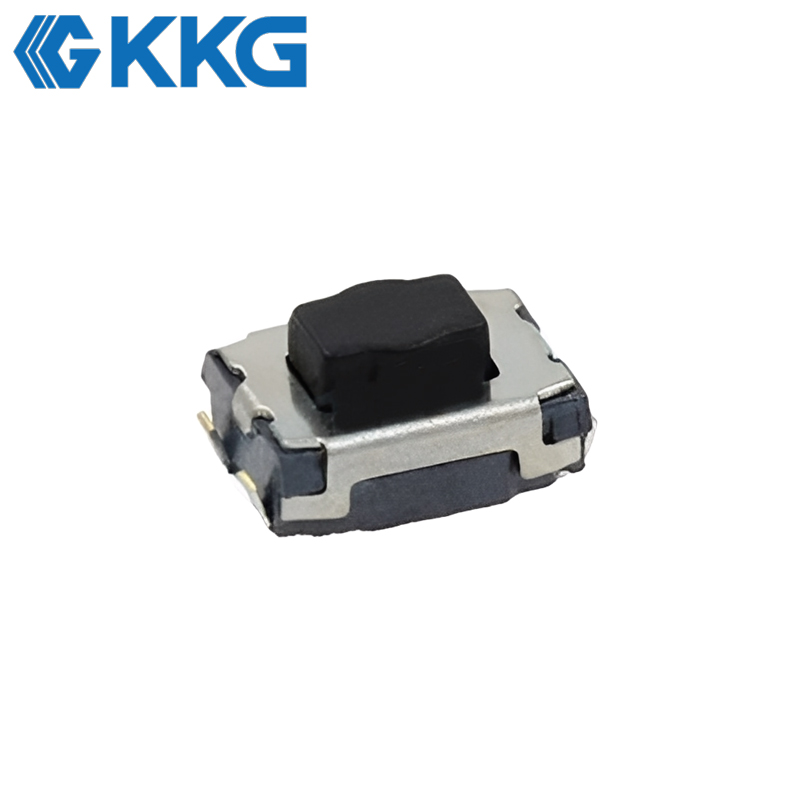
How Does a Switch Work?
A switch works by making or breaking an electrical connection.
Switch ON
When the switch is turned on:
The electrical contacts connect.
The circuit becomes complete.
Electricity flows to the device.
The device operates normally.
Switch OFF
When the switch is turned off:
The electrical contacts separate.
The circuit becomes open.
Electricity stops flowing.
The device turns off.
Think of a switch as a gate for electricity.Opening the gate allows electricity to pass through,while closing it blocks the flow.
Main Functions of a Switch
Switches serve several important functions:
Power Control
The most common purpose is turning devices on and off.
Examples:
Light switches
Computer power buttons
Appliance switches
Circuit Selection
Some switches can direct electricity to different circuits.
Examples:
Audio source selectors
Network switches
Multi-speed fan controls
Safety Protection
Switches can quickly disconnect power during emergencies.
Examples:
Emergency stop buttons
Circuit breakers
Isolation switches
Automation Control
Electronic switches allow automated systems to function.
Examples:
Smart home devices
Industrial machinery
Automotive systems
Common Types of Switches
Toggle Switch
One of the most common types.
Features:
Lever-operated
Durable
Easy to use
Applications:
Industrial equipment
Automotive controls
Electronics projects
Push Button Switch
Activated by pressing a button.
Applications:
Doorbells
Computers
Elevators
Machinery controls
Rocker Switch
Operates by rocking between ON and OFF positions.
Applications:
Power strips
Household appliances
DIY electronics
Slide Switch
Uses a sliding mechanism.
Applications:
Portable electronics
Toys
Small electronic devices
Rotary Switch
Uses a rotating knob to select multiple positions.
Applications:
Audio equipment
Industrial controls
Instrument panels
Smart Switch
Electronically controlled and often connected to the internet.
Features:
Remote control
Voice control
Automation integration
Applications:
Smart homes
Building automation
Energy management systems
Applications of Switches
Switches are used in nearly every electrical system.
Home Applications
Examples include:
Light controls
Ceiling fans
Kitchen appliances
Smart home systems
Automotive Applications
Switches control:
Headlights
Power windows
Ignition systems
Dashboard functions
Industrial Applications
Used for:
Machine control
Emergency shutdown systems
Production equipment
Power distribution
Consumer Electronics
Found in:
Computers
Televisions
Audio equipment
Gaming devices
DIY Projects
Popular in:
Arduino projects
Robotics
LED lighting systems
DIY Book Nooks
For example,in a DIY Book Nook,a small switch is often used to control the LED lighting system,allowing users to turn the lights on and off without disconnecting the battery.
Key Features of a Good Switch
When choosing a switch,consider:
Electrical rating
Durability
Size
Installation method
Material quality
Waterproof protection(if required)
Operating life cycle
A high-quality switch should provide reliable operation over thousands of cycles.
FAQ
What is the purpose of a switch?
A switch controls the flow of electricity in a circuit by connecting or disconnecting electrical contacts.
What happens when a switch is turned on?
The circuit is completed,allowing electricity to flow and power the connected device.
What is the difference between a switch and a button?
A switch usually stays in its selected position,while many buttons return to their original position after being pressed.
Can a switch control LED lights?
Yes.Switches are commonly used to control LED lighting systems in homes,electronics,and DIY projects.
Why are switches important?
Switches provide convenient control,improve safety,and enable the operation of electrical and electronic devices.