




A Push Button Switch is one of the most widely used electrical control devices in modern equipment and electronic systems.From elevators and industrial machinery to household appliances and consumer electronics,push button SWITCHes provide a simple,reliable,and intuitive way to start,stop,or control electrical circuits.
Thanks to their compact design,ease of operation,and versatility,push button switches are essential components in countless applications across industrial,commercial,and residential environments.
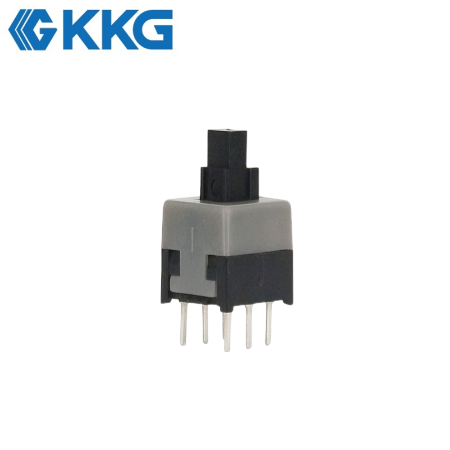
What Is a Push Button Switch?
A Push Button Switch is an electromechanical switch that operates when a user presses a button.The pressing action either opens or closes an electrical circuit,allowing current to flow or interrupting the flow of electricity.
Unlike a Toggle Switch,which remains in a selected position until manually changed,a push button switch can be either momentary or maintained depending on its design.
Push button switches are commonly used to:
Start machinery
Stop equipment
Activate devices
Trigger signals
Control lighting systems
Operate electronic products
Their straightforward operation makes them one of the most user-friendly switch types available.
How Does a Push Button Switch Work?
The operation of a push button switch is based on a simple mechanical movement.
Inside the switch housing are conductive contacts connected to electrical terminals.When the button is pressed,the internal mechanism changes the position of these contacts.
Step-by-Step Operation
The user presses the button.
The actuator moves internal contacts.
Contacts either connect or separate.
The electrical circuit changes state.
The connected device responds.
When the button is released,a spring mechanism often returns the contacts to their original position.
This simple process provides fast and reliable electrical control.
Main Components of a Push Button Switch
A typical push button switch consists of several essential parts:
Button Cap
The external surface that users press to operate the switch.
Actuator
Transfers the force from the button to the internal contact mechanism.
Contacts
Metal conductors that open or close the electrical circuit.
Spring
Returns the button to its original position after being pressed.
Housing
Protects the internal components and provides structural support.
Terminals
Connection points for electrical wiring.
Types of Push Button Switches
Momentary Push Button Switch
A momentary switch only remains active while the button is being pressed.
When released,it automatically returns to its original state.
Common applications include:
Doorbells
Horn buttons
Keyboard keys
Emergency communication systems
Maintained Push Button Switch
A maintained switch changes state when pressed and stays in that position until pressed again.
Examples include:
Power buttons
Latching control systems
Equipment activation controls
Normally Open(NO)Push Button Switch
A Normally Open(NO)switch keeps the circuit disconnected under normal conditions.
When pressed:
Contacts close
Current flows
Device activates
Typical uses:
Start buttons
Doorbells
Control panels
Normally Closed(NC)Push Button Switch
A Normally Closed(NC)switch allows current to flow under normal conditions.
When pressed:
Contacts open
Circuit breaks
Device stops operating
Commonly used for:
Safety systems
Stop buttons
Emergency shutdown circuits
Illuminated Push Button Switches
Modern push button switches often include built-in LED indicators.
Benefits include:
Easy identification in dark environments
Visual operating status
Improved user experience
Attractive product design
LED push button switches are common in:
Industrial control panels
Gaming equipment
Consumer electronics
Automotive dashboards
Metal Push Button Switches
Metal push button switches are known for their durability and premium appearance.
Features include:
Stainless steel or aluminum construction
Waterproof options
Dust resistance
Long service life
These switches are frequently used in:
Industrial automation
Medical devices
Marine equipment
Access control systems
Advantages of Push Button Switches
Easy to Operate
A simple press is all that is required to activate the switch.
Compact Design
Push button switches fit easily into equipment with limited space.
Reliable Performance
High-quality switches can withstand hundreds of thousands of operating cycles.
Wide Range of Configurations
Available in various sizes,materials,and contact arrangements.
Cost-Effective
Push button switches provide dependable control at a relatively low cost.
Common Applications of Push Button Switches
Industrial Automation
Factories and manufacturing facilities use push buttons for machine control and process management.
Household Appliances
Common examples include:
Coffee machines
Washing machines
Microwaves
Vacuum cleaners
Automotive Systems
Push buttons are used for:
Engine start systems
Dashboard controls
Window operation
Horn activation
Medical Equipment
Hospitals and laboratories rely on push button switches for precise equipment control.
Consumer Electronics
Push button switches are found in:
Computers
Audio systems
Gaming devices
Smart home products
Elevator Systems
Floor selection and emergency controls often use illuminated push button switches.
Push Button Switch vs Toggle Switch
| Feature | Push Button Switch | Toggle Switch |
|---|---|---|
| Operation | Press | Lever |
| Space Requirement | Compact | Larger |
| Momentary Function | Excellent | Less Common |
| Visual Status | Moderate | Very Clear |
| Modern Appearance | Yes | Traditional |
| Automation Systems | Widely Used | Widely Used |
Both switch types are highly effective,but push button switches are often preferred when quick activation and compact design are required.
Push Button Switch vs Rocker Switch
| Feature | Push Button Switch | Rocker Switch |
|---|---|---|
| Actuation Method | Press | Rock |
| Panel Space | Small | Medium |
| Design Flexibility | High | Moderate |
| Indicator Options | Extensive | Extensive |
| Modern Equipment | Very Common | Common |
How to Choose the Right Push Button Switch
When selecting a push button switch,consider the following factors:
Voltage rating
Current rating
Contact configuration
Momentary or maintained operation
Waterproof requirements
Mounting size
Illumination options
Material type
Environmental conditions
Choosing the correct switch ensures safety,reliability,and long-term performance.
FAQ
What is a push button switch used for?
A push button switch is used to start,stop,activate,or control an electrical circuit through a pressing action.
What is the difference between a momentary and maintained push button switch?
A momentary switch returns to its original position when released,while a maintained switch stays in its new position until pressed again.
What does Normally Open mean?
A Normally Open(NO)switch has an open circuit by default and only allows current to flow when pressed.
Are push button switches waterproof?
Yes.Many industrial and outdoor models are available with waterproof and dustproof protection ratings.
Where are push button switches commonly used?
They are widely used in industrial control systems,consumer electronics,automotive equipment,medical devices,elevators,and household appliances.