




When designing or upgrading electronic equipment,selecting the right control component is essential for achieving stable performance and a better user experience.A Rocker Potentiometer is a widely used control device that combines the functions of a Rocker Switch and a variable resistor,allowing users to adjust voltage,current,or signal levels with a simple rocking motion.
However,choosing the right rocker potentiometer is not always straightforward.Different applications require different resistance values,mounting methods,electrical ratings,and durability levels.This guide explains the key factors to consider when selecting a suitable rocker potentiometer for your project.
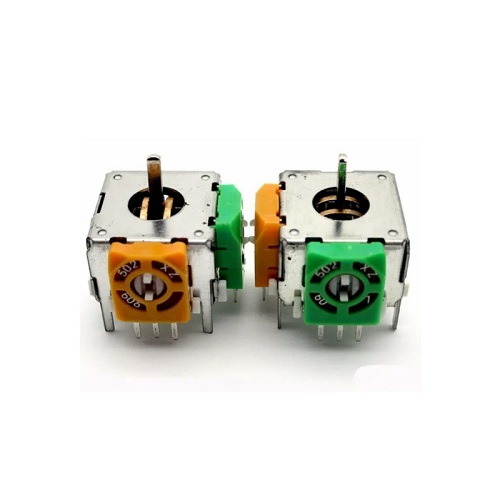
What Is a Rocker Potentiometer?
A rocker potentiometer is an adjustable electronic component that changes electrical resistance through mechanical movement.Unlike traditional Rotary Potentiometers,which are controlled by a rotating shaft,Rocker Potentiometers use a rocker-style actuator to provide convenient linear adjustment.
The device typically consists of:
Resistive element
Moving contact(wiper)
Rocker actuator
Housing and terminals
By changing the position of the wiper,the rocker potentiometer adjusts the output voltage or signal.It is commonly used for volume control,brightness adjustment,speed regulation,and other variable control applications.
1.Determine Your Application Requirements
The first step in choosing a rocker potentiometer is understanding where and how it will be used.
Different industries have different requirements:
Consumer Electronics
Devices such as audio equipment,gaming controllers,and household appliances usually require:
Compact size
Smooth operation
Good user feedback
Long mechanical lifespan
Industrial Equipment
Industrial control systems may require:
High durability
Stable electrical performance
Resistance to vibration and dust
Higher operating temperatures
Automotive and Marine Applications
These environments often require:
Waterproof design
Corrosion resistance
Strong mechanical structure
Understanding the working environment helps determine the correct potentiometer specifications.
2.Select the Appropriate Resistance Value
Resistance value is one of the most important specifications of a rocker potentiometer.
Common resistance values include:
1KΩ
5KΩ
10KΩ
50KΩ
100KΩ
A lower resistance value is usually suitable for applications requiring higher current flow,while higher resistance values are commonly used for signal adjustment.
For example:
Audio control systems often use 10KΩor 50KΩpotentiometers.
Sensor adjustment circuits may require specific resistance values based on signal requirements.
Choosing the wrong resistance value may lead to unstable output signals or reduced system performance.
3.Consider the Potentiometer Taper Type
Rocker potentiometers are available with different taper characteristics,mainly:
Linear Taper
A linear potentiometer provides an even resistance change throughout the movement range.
It is commonly used for:
Industrial controls
Measurement equipment
Calibration devices
Logarithmic Taper
A logarithmic potentiometer changes resistance according to a logarithmic curve.
It is widely used in:
Audio equipment
Volume controllers
Sound systems
Selecting the correct taper ensures smooth and accurate control.
4.Check Electrical Ratings
Before purchasing a rocker potentiometer,always review its electrical specifications.
Important parameters include:
Rated Power
The rated power indicates how much energy the potentiometer can handle safely.
Maximum Voltage
The component must support the voltage level used in your circuit.
Current Rating
The current capacity should match the application's requirements.
For industrial applications,choosing a high-quality rocker potentiometer supplier that provides detailed specifications and testing reports can help ensure reliability.
5.Evaluate Mechanical Durability
The mechanical lifespan of a rocker potentiometer directly affects equipment reliability.
Important factors include:
Operating cycles
Actuator strength
Contact reliability
Material quality
For equipment used frequently,such as control panels or professional audio systems,selecting a long-life potentiometer is recommended.
A reliable industrial potentiometer manufacturer usually performs mechanical endurance tests to ensure stable operation after thousands of cycles.
6.Choose the Right Mounting Style
Different devices require different installation methods.
Common mounting options include:
Panel Mount
Suitable for:
Control panels
Industrial machines
Test equipment
PCB Mount
Designed for:
Electronic boards
Compact devices
Consumer products
Custom Mounting Solutions
For special equipment,manufacturers can provide:
Customized dimensions
Special terminals
Unique shaft or rocker designs
Working with an experienced custom rocker potentiometer manufacturer allows engineers to develop solutions that fit specific product designs.
7.Consider Environmental Conditions
The operating environment has a major impact on component performance.
For harsh environments,consider:
Waterproof Rocker Potentiometer
Suitable for:
Marine equipment
Outdoor devices
Automotive controls
Dustproof Design
Recommended for:
Factory equipment
Machinery control systems
Temperature Resistance
Some applications require operation under extreme temperatures,making high-temperature materials necessary.
8.Choose a Reliable Rocker Potentiometer Manufacturer
Selecting the right supplier is just as important as selecting the right product.
A professional rocker potentiometer manufacturer should provide:
Stable production capability
Strict quality control
Custom OEM services
Technical support
Product testing reports
Before placing bulk orders,buyers should evaluate:
Manufacturing experience
Production capacity
Certification availability
Customer support
A dependable rocker potentiometer supplier can help reduce product failures and improve long-term project reliability.
Applications of Rocker Potentiometers
Due to their convenient operation and flexible design,rocker potentiometers are widely used in:
Audio equipment
Industrial control systems
Medical devices
Automotive electronics
Lighting control systems
Gaming devices
Laboratory instruments
Their compact structure and easy adjustment make them an ideal choice for many electronic control applications.
FAQ
1.What is the difference between a rocker potentiometer and a rotary potentiometer?
A rocker potentiometer uses a rocking movement for adjustment,while a rotary potentiometer uses a rotating shaft.Rocker designs are often preferred when quick and intuitive control is needed.
2.How long does a rocker potentiometer last?
The lifespan depends on the design and application.High-quality models can typically support tens of thousands of operating cycles.
3.Can a rocker potentiometer be customized?
Yes.Many manufacturers offer OEM customization,including resistance values,mounting structures,terminal configurations,and housing designs.
4.How do I choose a rocker potentiometer for audio applications?
For audio systems,consider logarithmic taper designs,suitable resistance values,smooth operation,and low noise performance.
Choosing the right rocker potentiometer requires careful consideration of resistance value,taper type,electrical ratings,mounting method,durability,and application environment.Whether used in consumer electronics,industrial equipment,or automotive systems,selecting a reliable component supplier is essential for achieving stable performance.
By working with an experienced rocker potentiometer manufacturer,businesses can obtain high-quality products,customized solutions,and reliable support for long-term projects.