




The lifespan of a Tact Switch depends on its design,materials,and working environment.In general,many Tact SWITCHes are built for hundreds of thousands or even millions of actuations,making them a reliable choice for consumer electronics,industrial controls,and compact PCB applications.A high-quality Tactile Switch can maintain stable feedback and fast response over a long service life when used correctly.
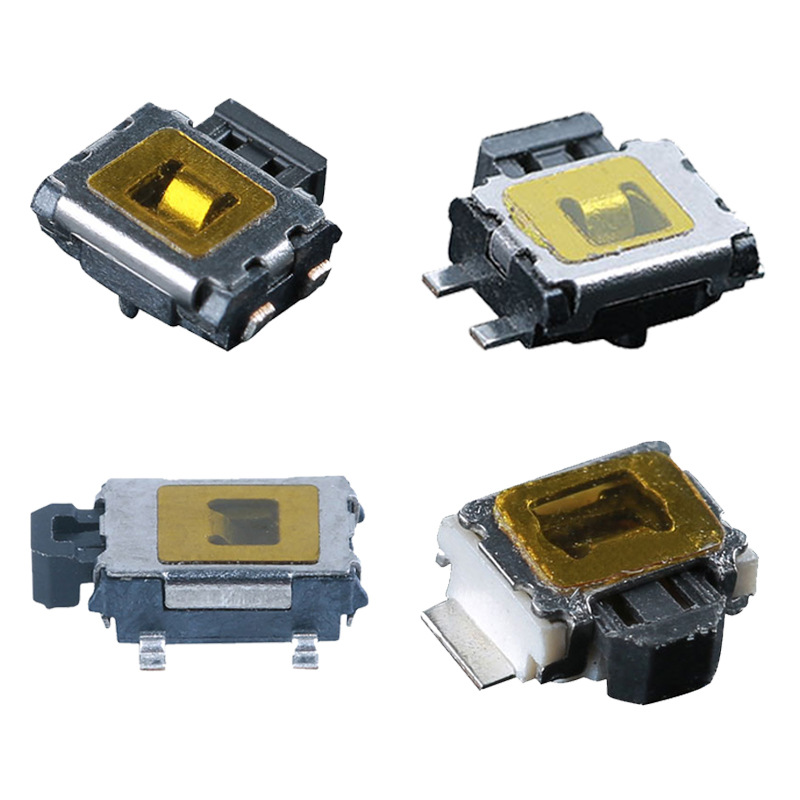
Several factors affect how long Tactile Switches last.The first is mechanical life,which refers to how many times the switch can be pressed before performance declines.The second is the operating environment.Dust,moisture,heat,and frequent heavy-force operation can shorten the life of a Push Button Switch.In contrast,sealed designs and well-made contacts help improve durability.Mounting quality also matters.If a Tact Switch is installed properly on the PCB and matched to the right application,it will perform more consistently over time.
Another key point is application design.Devices that require frequent daily input,such as remote controls,medical devices,smart home panels,and portable electronics,need dependable Tactile Switches with a strong cycle rating.Low-quality Tact Switches may lose tactile feel,develop contact failure,or become less responsive after extended use.Choosing the right size,actuation force,and structure is important for long-term reliability.
So,how long does a Tactile Switch last?The answer depends on quality and usage,but a well-selected Push Button Switch can deliver excellent performance for years.For manufacturers and buyers,selecting durable Tact Switches is not only about lifespan,but also about product stability,user experience,and overall value.